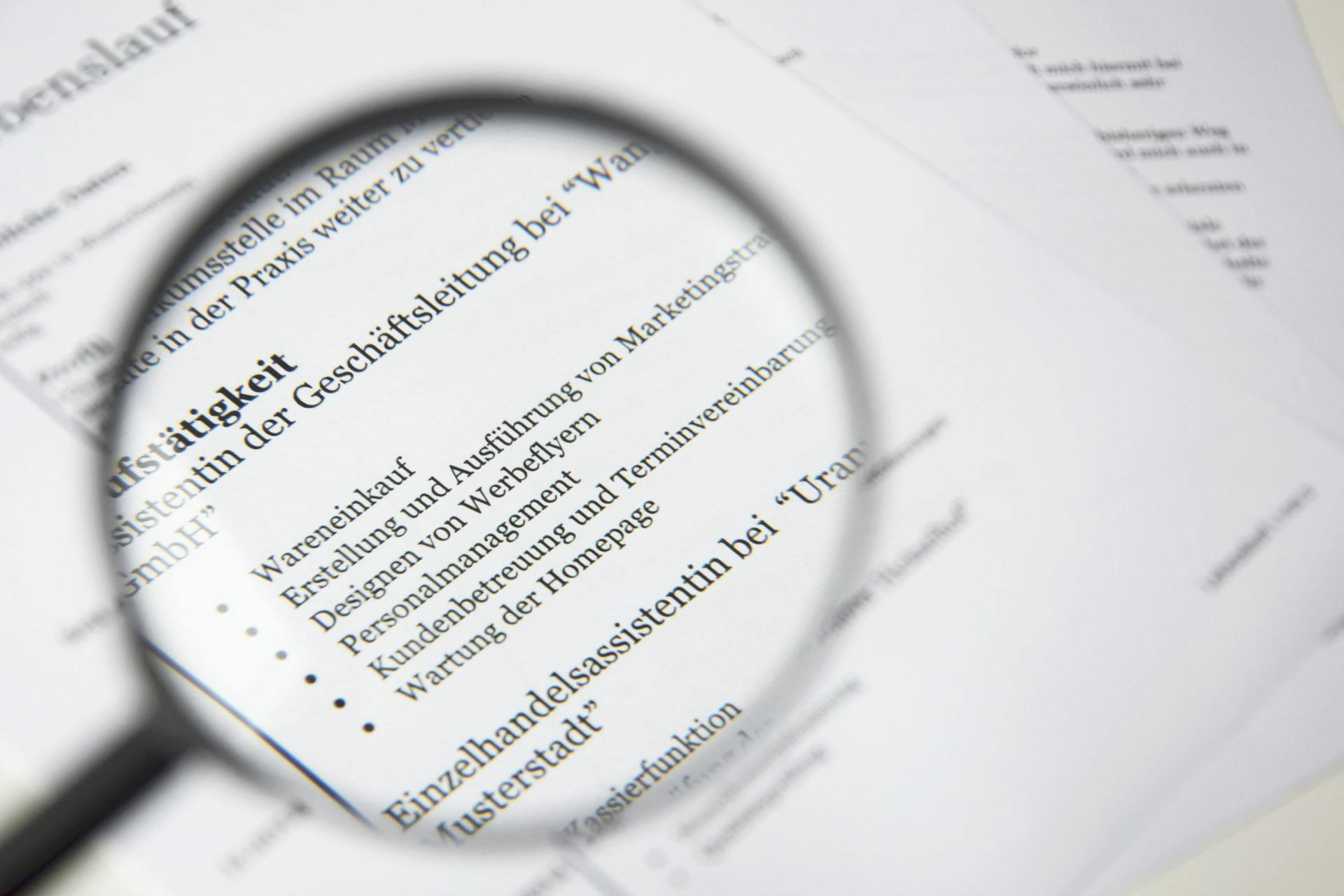
In today’s competitive job market, submitting a resume is no longer enough. Most companies use Applicant Tracking Systems (ATS) to scan and filter resumes before a human recruiter ever sees them. If your resume isn’t optimized for ATS, it may never reach the hiring manager — no matter how qualified you are.
What Is an ATS?
An ATS is software that scans resumes for specific keywords, formatting, and structure. Employers use it to quickly identify top candidates based on job descriptions. If your resume lacks the right keywords or formatting, it may be automatically rejected.
7 Steps to Make Your Resume ATS-Friendly
- Use a simple format
- Include relevant keywords.
- Use standard headings.
- Choose a professional font.
- Avoid abbreviations without context.
- Use bullet points wisely.
- Save in the right format.
Avoid graphics, images, tables, and complex columns. Stick to a clean, single-column layout.
Carefully read the job description and incorporate exact keywords related to skills, qualifications, and job titles.
Headings like “Work Experience,” “Education,” and “Skills” are easily recognized by ATS software.
Fonts like Arial, Calibri, or Times New Roman work best.
Write both the full term and abbreviation (e.g., Search Engine Optimization (SEO)).
Highlight measurable achievements rather than listing responsibilities.
Unless otherwise specified, submit your resume as a PDF or Word document.
Common ATS Mistakes to Avoid
- Overusing creative formatting
- Adding headers/footers with key information
- Stuffing too many keywords unnaturally
- Submitting generic resumes for every job
An ATS-optimized resume increases your chances of landing interviews significantly. If you want to simplify the process, you can build an optimized, recruiter-ready resume directly through the tools available on the Next Job Resume homepage. The platform helps structure your resume properly while ensuring keyword alignment and professional formatting.
Final Thoughts
In 2026, understanding how ATS systems work is no longer optional — it’s essential. By following these best practices and tailoring your resume for each application, you can dramatically improve your visibility and interview rate.